


The turn of the decade brings with it a momentous shot in the arm to the moribund Indo-Pak peace process with the unveiling of a grand cross-border collaborative peace project. The initiative, titled Aman Ki Asha, promises to be a path-breaking collaboration between Pakistan’s Jang Group and Geo and India’s Times of India Group, the largest media groups on their respective sides of the border. It will look to inject impetus into the Indo-Pak dialogue in a manner that is unparalleled, on a scale that is unprecedented.
The project aims to provide the ultimate mutual platform to debate the major sticking points in the hitherto fickle peace dialogue on both sides of the border — whether it is Kashmir, the water dispute or security. The mission statement is unequivocal, declaring that the two groups commit themselves to a movement that will bring the people and civil institutions of the two countries closer together in fostering a honourable, genuine and durable peace.
While the ultimate aspirations of Aman Ki Asha are undoubtedly lofty to resolve amicably all outstanding issues that serve as hurdles to peace and campaign for collaboration on economic, cultural issues through a media-led civil society movement great care has been taken to figure in realistic and deliverable means to ensure the sustainability of this endeavour.
This commitment is calculated and structured. It seeks to deliver tangible results to push forward the peace process and bring to the fore the benefits of harmony, cooperation and trust that have eluded the people of the subcontinent for over six decades because of restrictive visa regimes and confrontational politics. Involving everything from cultural exchanges to policy debates, the joint undertaking is the product of detailed discussions and meticulous planning by both media groups.
The Aman Ki Asha campaign boasts an exciting feature in the form of a moving peace anthem composed by famous Indian lyricist and poet, Gulzar, which is recited by none other than Bollywood’s Amitabh Bachchan — a star, who, few will deny, is larger than life on both sides of the border. The anthem is sung by Pakistan’s Rahat Fateh Ali Khan and India’s Shankar Mahadevan, two of the subcontinent’s most celebrated vocalists.
Cultural and people-to-people ties will be strengthened through an array of entertainment programmes, ranging from music concerts to fashion shows featuring the best of both India and Pakistan. Academic and literary exchanges have been arranged to inspire strong intellectual links.
The project also plans to transcend glamour and glitz by cultivating tangible material cooperation. The heavyweights of the business communities on both sides of the border have been invited to exchange ideas and promote industrial and trade initiatives on a sustained basis in a unique annual economic conference to be held alternately in India and Pakistan. This conference promises tangible and concrete cooperation in vital economic sectors.
It doesn’t end there. Aman Ki Asha has also commissioned comprehensive cross-country surveys in India and Pakistan which will be published on a regular basis. For the first time in history, independent research agencies have carried out parallel surveys on both sides of the border to determine the people’s opinions on issues that matter, and will continue to do so to gauge popular opinion. This research, which has yielded astounding results, will not only serve as a yardstick to formulate policy, but also be used to measure the effect of the peace initiative.
The media groups have promised to continue to take the campaign forward on all fronts. They have established permanent secretariats to ensure the continuity necessary for success. All major stakeholders on both sides of the border have been taken on board ñ from government to businessmen, from the literati to the glitterati.
Clear-cut goals have been identified, targets have been set and a mission statement hammered out. The campaign has been launched. As of the first day of the new decade, Aman Ki Asha is all systems go. And the destination is peace.





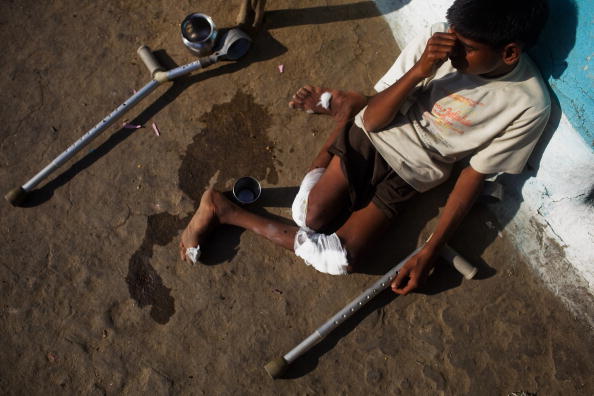
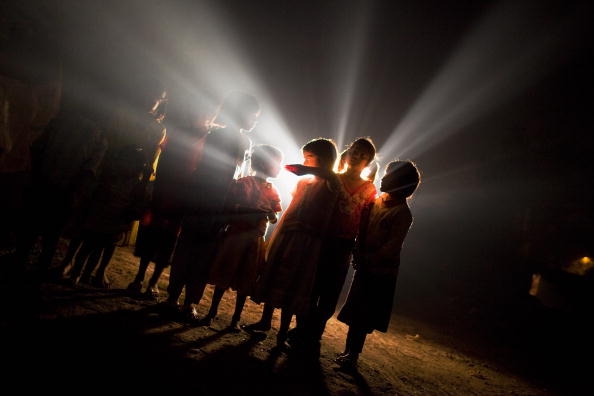


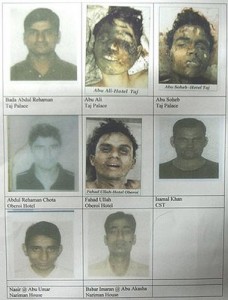 HBO today televised a documentary narrated by Fareed Zakaria, a Mumbai born American journalist. ‘Terror in Mumbai.’ an extremely informative documentary compresses three days of mayhem – three days when ten Pakistani young men who had mobile phones and machine guns killed 170 people and wounded 300 more, sending shockwaves of fear around the world. I was horrified watching this 360-degree view of the terrorist act, recounted in harrowing detail – especially because these young men came from a country, I call my own.
 At some level I feel sorry for these lost souls- poverty stricken, uneducated young men who were fooled by conniving leaders of LeT and other fundamentalist organizations, However, I have no sympathies for their leaders- whomsoever they maybe. These characters have eroded the Pakistani society and have pushed us in a state of profound crisis.